














2026 Jumio

Online Identity Study

World Cup Edition

About the Research

down arrow

Now in its fifth year, the annual Jumio Online Identity Study explores consumer awareness around issues involving online identity, fraud risks and current methods used to protect consumer data.

This year’s results found that online sports betting will take center stage during the 2026 World Cup, along with concerns around minors accessing these platforms.

Total Respondents:
8,003 adult consumers

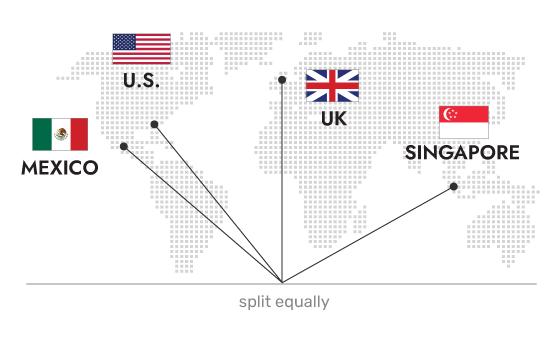
Countries Studied

jumio online identity study countries studied

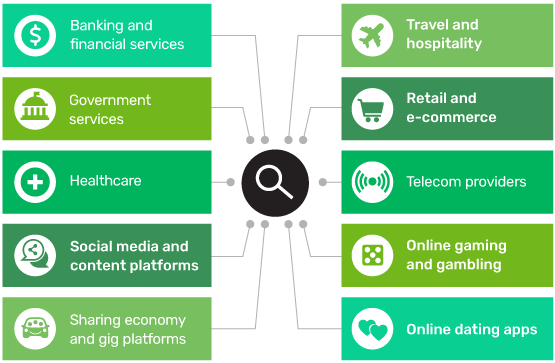
Sectors Studied

sectors studied graphic
1

The World Cup is onboarding a new wave of digital players.

A diverse group of six adults surrounding a smartphone displaying a sports betting app with a soccer ball and "Place Your Bet" prompt, representing a wide range of consumers using online betting platforms during the World Cup.

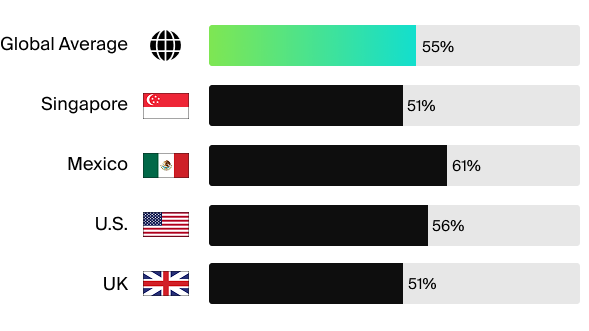
55% prefer online platforms to place their bets.

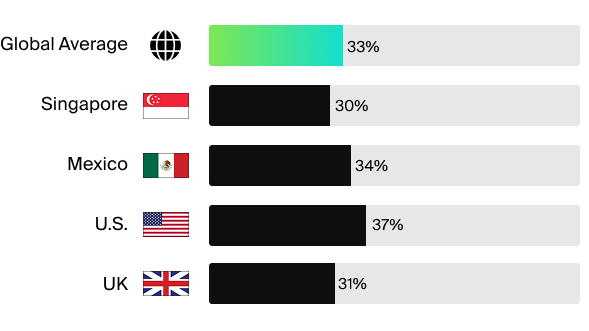
33% plan to open a brand-new betting account for the World Cup.

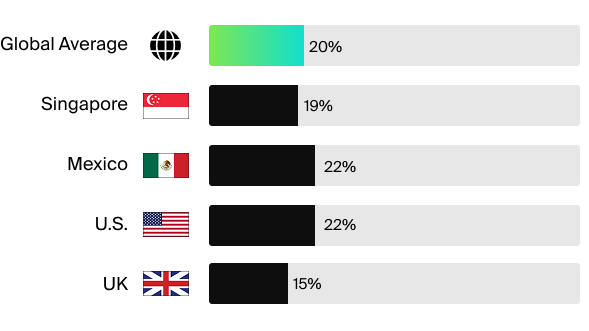
20% will interact with an online gaming platform for the very first time.


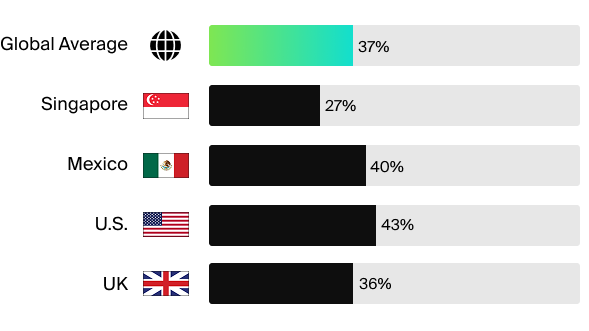
37% plan to use multiple online betting platforms.


2

For nearly half of fans, betting isn’t a side activity; it’s core to how they engage with the tournament.

47% say sports betting is an important part of how they’ll enjoy the World Cup.

46% plan to socialize around the bets they place with peers.

43% already have an account they plan to use.
A smiling man in a yellow hoodie using a smartphone to place a bet, with a profile image and coins depicted alongside, representing an online sports betting experience.
3

The World Cup betting boom is fueling concerns over underage gambling, and consumers aren’t just hoping platforms will do the right thing — they’re demanding it.

Three teenage boys gathered around a smartphone, with a caution warning icon overlaid, illustrating the risk of underage access to online sports betting platforms.

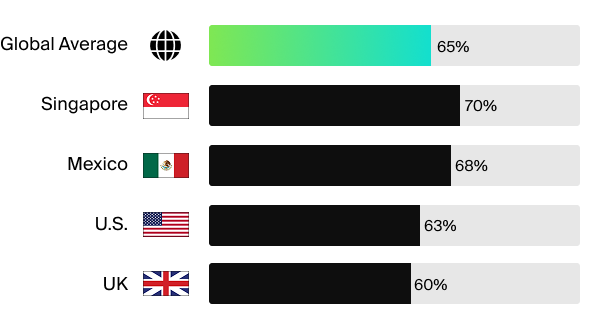
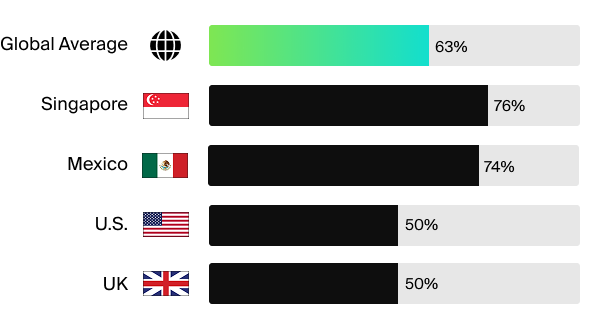
63% of respondents worry about minors using sports betting apps during the World Cup.

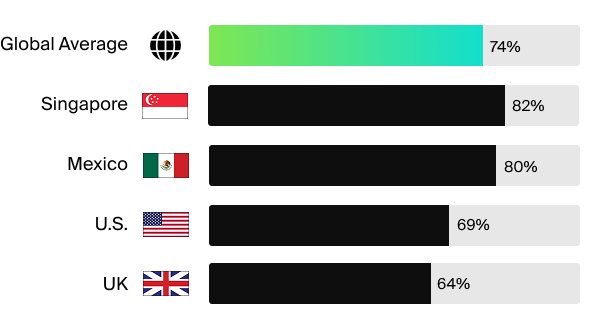
74% believe it’s important for online platforms and tech providers to prevent minors from betting.

Only 7% disagree that this should be a critical priority for the gaming industry.

4

Age verification and identity verification aren’t barriers to adoption; they’re becoming table stakes. Consumers expect them, and nearly half actively embrace them.

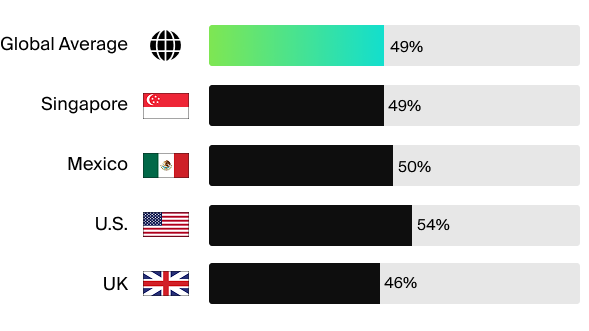
49% of World Cup bettors are comfortable providing a government-issued ID and biometric data to access digital gaming platforms.

Illustration of a identity verification process showing a person's ID document being matched to a live selfie using facial recognition technology, with a security checkmark indicating successful verification.